

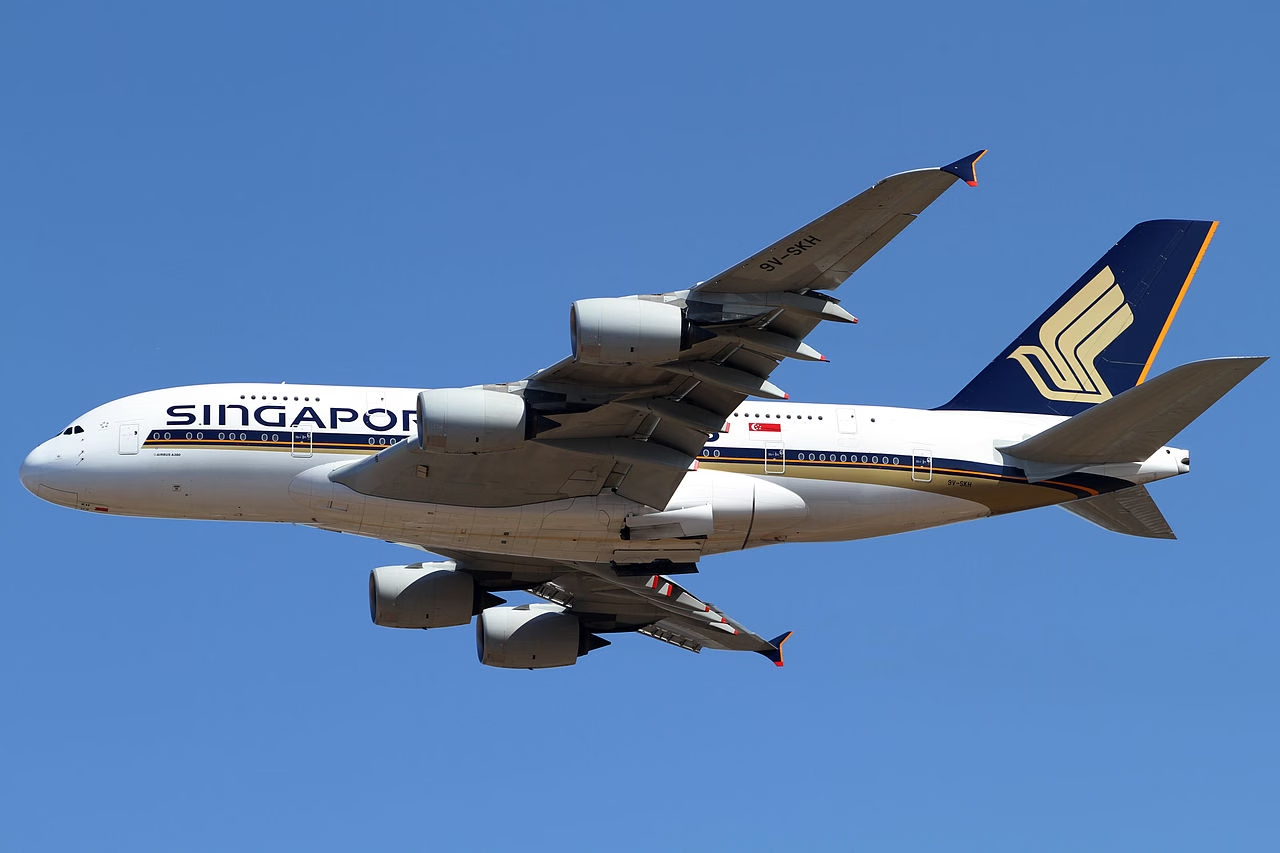
Singapore’s economy is in a tricky spot. It isn’t in crisis, but it doesn’t feel secure, especially for young people starting out. While graduate employment looks good on paper, it feels tougher in reality. Entry-level jobs are harder to get, and many young Singaporeans feel caught between rising costs and a job market that seems stable only in official reports. That’s why this summer’s increase in flight frequencies is more important than it might seem.
More flights aren’t just about tourists and airport traffic. In Singapore, aviation is tightly woven into the broader service economy, so every new route or added frequency sets off a chain of hiring. The jobs created don’t usually demand coding skills, elite connections, or long resumes—which is precisely where the pressure is highest for young and first-time workers.
At the airport, more flights quickly create a need for more staff in ground operations, food and beverage outlets, retail, logistics, cleaning, baggage handling, and customer service. These jobs may not be glamorous, but they are easy to access, can be scaled up fast, and are simple to train for. For students, interns, and new graduates, airport jobs often provide a first real step into the workforce, with regular shifts, steady pay, and a chance to learn international service standards.
The impact goes beyond the terminal. In-flight services also get busier. Airlines need more than just pilots and cabin crew; they also hire catering staff, maintenance teams, schedulers, trainers, and administrative support. When flights increase during busy seasons, airlines can offer more temporary and contract jobs without adding permanent staff. This flexibility helps employers adapt to changing travel demand. For young workers, it means more chances for short- to medium-term jobs that help them gain experience and confidence instead of waiting for opportunities.
The effects go beyond aviation. More flights bring more passengers into the city, which increases demand for taxi drivers, ride-hailing drivers, shuttle services, and logistics companies. This is one of the few areas where growth quickly benefits self-employed and gig workers, a group that many young people join when full-time jobs are hard to find.
Food services near the airport are especially important. Airport dining is not just for convenience; it handles high volumes and quick turnover, so it creates many jobs. Restaurants, cafes, bars, and specialty food places in and around the airport are good at offering flexible shifts, part-time work, and on-the-job training. For students and recent graduates, these jobs can help them earn money and build work habits without forcing them into a long-term commitment.
It’s important to note that these aviation jobs are not based on hype or guesses. They depend on real passenger numbers and actual needs. Unlike industries where hiring is based on optimism or big expansion plans, aviation usually grows only when there is real demand. This means these jobs, while not completely safe from changes, are often more stable than many entry-level office jobs that face automation, hiring freezes, or tight budgets.
Of course, this by itself won’t fix Singapore’s youth employment problem. Jobs in airports and aviation are not a replacement for professional careers, and they shouldn’t be treated as such. What they do offer is important: they make it easier for young people to stay active, earn money, build discipline, and avoid long gaps in their resumes while the rest of the economy recovers.
Looking at it this way, more flights are not just about better rankings or tourism. They help stabilize things on the ground. When many young Singaporeans are worried about their future, aviation quietly takes on some of that pressure and spreads income across different parts of the service sector. It helps keep the job market active even when people are not feeling very hopeful.
From an economic point of view, this kind of resilience and ability to absorb workers is more important than any single impressive growth figure.
[ Membership ]